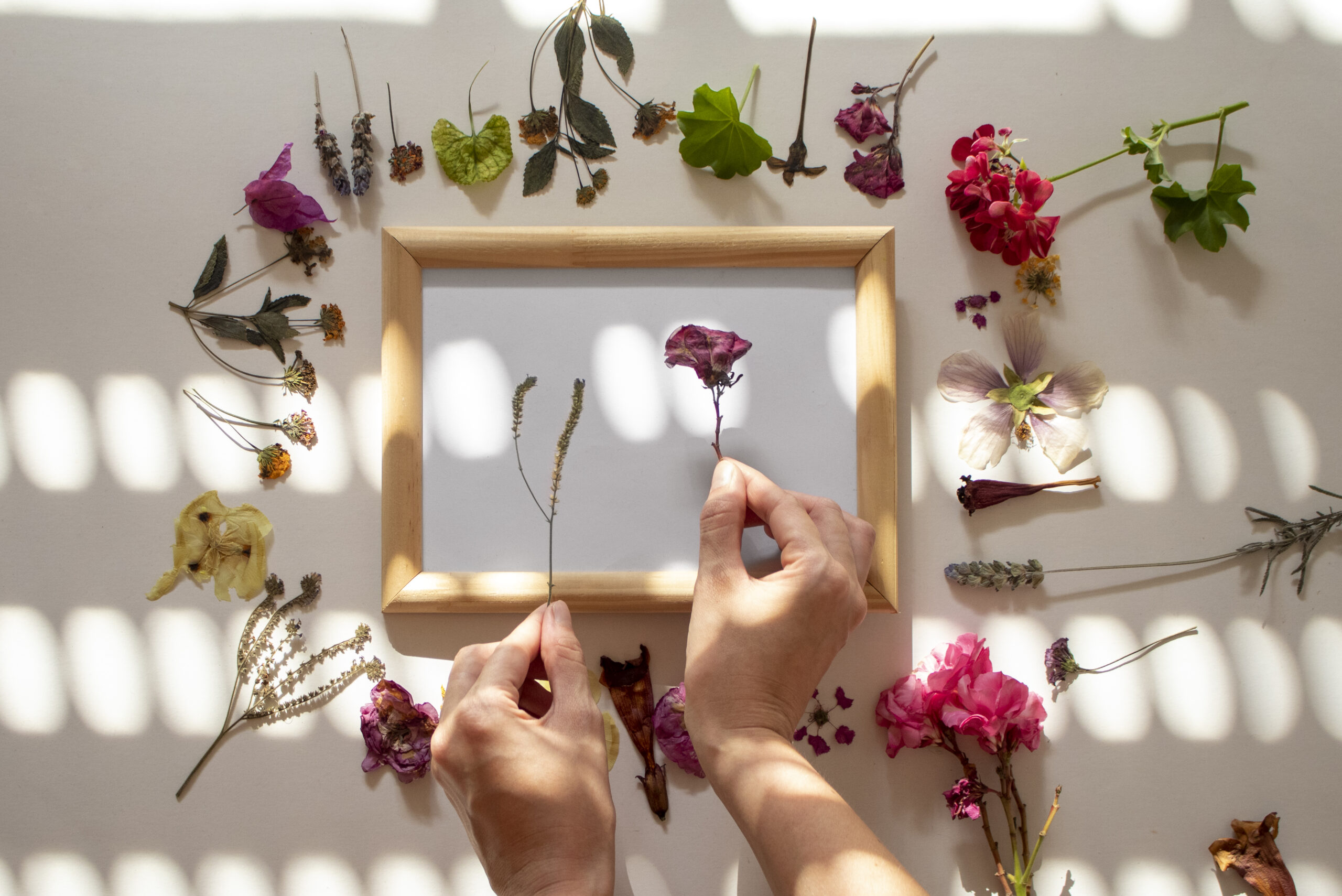
Pressed flower art has enchanted artists and collectors for centuries. By flattening and preserving blooms, we capture their delicate beauty and symbolism in a form that lasts far beyond the flower’s natural life. Whether you’re crafting keepsakes, decorating journals, or exploring pressed flower art for sale, the key to success lies in choosing the right flowers for pressing. Not all blooms press equally well, and understanding which varieties work best ensures your creations remain vibrant, durable, and visually appealing.
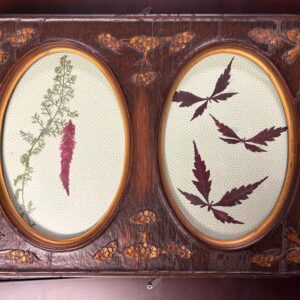
Why Flower Choice Matters
Pressing flowers is both an art and a science. The type of flower you select determines:
- Color retention: Some flowers fade quickly, while others maintain their hues for years.
- Shape preservation: Thin, flat petals press better than thick or fleshy ones.
- Longevity: Certain species resist crumbling and remain intact over time.
Selecting wisely ensures your pressed flower art is not only beautiful but also long‑lasting.
Best Flowers for Pressing
- Pansies and Violas: Small, flat blooms with vibrant colors like purples, yellows, and blues that remain vivid after pressing. Perfect for decorative art pieces and greeting cards.
- Daisies: Simple yet cheerful, daisies press beautifully and retain their shape. They are versatile for bookmarks, framed art, and stationery.
- Roses (Petals Only): Whole roses are too thick, but individual petals press well. They add romantic flair to compositions and are often used in wedding keepsakes.
- Ferns and Leaves: Pressed flower art isn’t limited to blooms. Ferns and delicate leaves provide texture and contrast, enhancing the overall design.
- Hydrangeas: Their small florets press easily and retain soft pastel shades, making them popular in larger compositions.
- Lavender: Lavender presses well and retains a subtle fragrance. It’s perfect for rustic or vintage‑style art.
- Forget‑Me‑Nots: Tiny, delicate flowers that symbolize remembrance. Their bright blue petals hold color beautifully.
- Buttercups: Thin petals that press flat and retain a sunny yellow hue, ideal for cheerful designs.
Flowers to Avoid
Not all flowers are suitable for pressing. Avoid:
- Succulents: Too thick and fleshy.
- Large lilies: Their moisture content makes them prone to mold.
- Sunflowers: While beautiful, their bulky centers don’t flatten well.
Tips for Successful Pressing
- Pick at peak freshness: Choose blooms that are fully open but not wilting.
- Dry quickly: Moisture leads to browning or mold.
- Use proper tools: A flower press or heavy books with absorbent paper work best.
- Experiment with arrangements: Combine flowers and leaves for balanced designs.
- Store carefully: Keep pressed flowers away from direct sunlight and humidity to preserve their colors.
The Artistic Potential of Pressed Flowers
Pressed flowers can be used in:
- Greeting cards: Personalized and heartfelt.
- Wall art: Framed pieces that bring nature indoors.
- Jewelry: Encased in resin for wearable beauty.
- Stationery: Elegant notebooks and bookmarks.
- Home décor: Lampshades, coasters, and trays with botanical accents.
Collectors and enthusiasts often seek pressed flower art for sale, appreciating the craftsmanship and natural charm of these creations.
Sustainability and Sentiment
Pressed flower art is sustainable, repurposing blooms that might otherwise wilt. It also carries sentimental value, preserving flowers from weddings, anniversaries, or special occasions. Each piece becomes a memory frozen in time, blending artistry with emotion. In this way, pressed flower art is not just decoration but storytelling through nature.
The Market for Pressed Flower Art
With growing interest in eco‑friendly and handmade products, pressed flower art for sale has become increasingly popular. Buyers value:
- Authenticity: Each piece is unique, shaped by the natural form of the flower.
- Craftsmanship: Skilled pressing and arrangement elevate simple petals into fine art.
- Connection to nature: Pressed flowers bring the outdoors inside, offering a calming aesthetic.
Artists who master flower selection and pressing techniques can tap into this market, offering creations that appeal to both collectors and casual buyers.
Conclusion
Choosing the right flowers for pressing is the cornerstone of successful botanical art. By selecting blooms that retain color, shape, and durability, artists can create timeless pieces that resonate with beauty and meaning. Whether you’re crafting for personal enjoyment or exploring pressed flower art for sale, the right choice of flowers transforms simple petals into lasting treasures. Pressed flower art is more than a craft; it’s a way to preserve memories, celebrate nature, and share beauty in its most delicate form.